La Paz Colonial Architecture Walks: Explore History
Discover the rich architectural heritage of La Paz on guided walks that bring the city's colonial past to life.
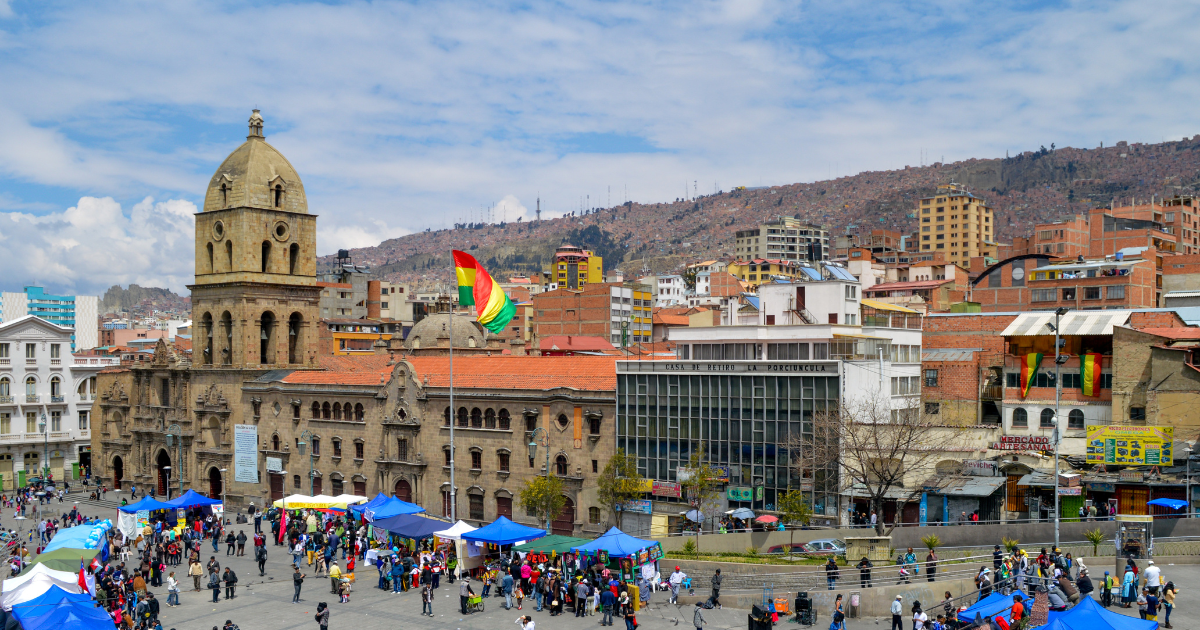
La Paz, Bolivia's administrative capital, is a city sculpted by both its dramatic Andean topography and its storied colonial past. While its dizzying altitudes and vibrant indigenous culture often steal the spotlight, the echoes of Spanish rule are deeply embedded in its very foundations, most visibly in its stunning colonial architecture. These architectural walks offer a unique lens through which to understand the city's evolution, from its founding by Alonso de Mendoza in 1548 to its role as a significant center during the Viceroyalty of Peru. You'll traverse cobblestone streets, gaze up at ornate facades, and learn about the influences that shaped these enduring structures. Venturing into the historic heart of La Paz on a colonial architecture walk is more than just a sightseeing excursion; it's an immersion into the city's narrative. Guides often delve into the stories behind the buildings, explaining the architectural styles – from Renaissance and Baroque to Neoclassical – and how they were adapted to the local context. Expect to encounter imposing churches, elegant residential palaces, and bustling plazas that once served as the epicenter of colonial life. These tours provide a fascinating contrast to the modern, dynamic city that La Paz is today, revealing layers of history that are often overlooked. By joining a guided tour, you gain access to insights that go beyond what a guidebook can offer. Local guides possess a deep understanding of the historical context, the social dynamics of the colonial era, and the architectural details that tell a story. They can point out specific motifs, explain the function of different building elements, and connect the past to the present in meaningful ways. Whether you're a history buff, an architecture enthusiast, or simply curious about La Paz's multifaceted identity, these walks offer a structured and informative way to connect with the city's tangible heritage.
Why Choose Colonial Architecture Walks in La Paz?
Architectural Immersion
Gain a deep appreciation for the diverse architectural styles that define La Paz's colonial era.
Expert Local Guides
Benefit from the in-depth knowledge and historical narratives shared by experienced local guides.
Hidden Details Revealed
Discover intricate carvings, unique construction methods, and historical anecdotes often missed by casual visitors.
Central Exploration
Focus on the most significant colonial landmarks concentrated in the city's historic center.
Contextual Understanding
Understand how colonial influences shaped La Paz's urban planning and cultural development.
Value for Money
Access comprehensive historical information and curated routes for a reasonable price.
Types of Colonial Architecture Walks in La Paz
Historic Center Walking Tours
These tours focus on the core colonial area, including Plaza Murillo, the Metropolitan Cathedral, and the Presidential Palace. They often explore key streets like Calle Jaén, known for its well-preserved colonial houses and museums.
Photographic Architecture Tours
Designed for photography enthusiasts, these walks highlight the best vantage points and architectural details for capturing stunning images. Guides will often point out photogenic facades and unique structural elements.
Small Group & Private Tours
For a more personalized experience, these tours offer smaller group sizes or completely private excursions. This allows for more interaction with the guide and flexibility to focus on specific interests.
What to Expect on Colonial Architecture Walks Tours
Duration
Most colonial architecture walks in La Paz typically last between 2 to 3 hours, allowing for a thorough exploration of the main historical sites.
Weather
La Paz experiences variable mountain weather. Expect sunshine, but be prepared for cooler temperatures, especially in the shade, and the possibility of rain. Layers are recommended.
Group Size
Group sizes can vary, from intimate private tours with just your party to larger walking groups of 10-15 people. Check tour details for specific group size information.
What's Included
Typically includes the guided tour with a knowledgeable local guide. Some tours might include entry fees to specific museums if they are part of the itinerary, but this should be verified.
Meeting Point
Meeting points are usually in convenient and central locations within the historic center, such as Plaza Murillo or near major landmarks, to easily begin the walk.
Additional Costs
Entrance fees to museums or attractions not explicitly mentioned as included, snacks, souvenirs, and gratuities for the guide are usually not covered.
Expert Tips for the Best Experience
Wear comfortable walking shoes. La Paz has many steep streets and cobblestones, so good footwear is essential.
Dress in layers. The sun can be strong at altitude, but shaded areas and wind can make it feel cool. Bring a light jacket or sweater.
Stay hydrated. The high altitude can cause dehydration. Carry a reusable water bottle, as many tours will pass by places to refill.
Bring sunscreen, a hat, and sunglasses. The sun's intensity at La Paz's altitude is significant, even on cloudy days.
Familiarize yourself with basic Spanish phrases. While guides often speak English, knowing a few words can enhance your interactions.
Be mindful of the altitude. If you're new to La Paz, take it easy on your first day and avoid strenuous activity. The tours are generally manageable, but pacing is key.
Carry small bills for any purchases or optional tips. Not all vendors may accept cards, and having change is convenient.
Ask questions! The guides are there to share their knowledge. Don't hesitate to inquire about anything that sparks your curiosity.
Frequently Asked Questions
Q:Are these tours suitable for people with mobility issues?
A: These tours primarily involve walking on uneven surfaces and inclines, which can be challenging for those with significant mobility issues. It's best to check the specific tour details for any accessibility notes or consider private tours where a slower pace might be arranged.
Q:What time of day are colonial architecture walks usually offered?
A: Most colonial architecture walks are offered in the morning or early afternoon to take advantage of daylight for sightseeing and photography, and to avoid the cooler evening temperatures at altitude.
Q:Do I need to book these tours in advance?
A: It's generally recommended to book in advance, especially during peak travel seasons, to secure your spot. This also helps ensure that operators can confirm tour availability and guide assignments.
Q:What if it rains during my scheduled tour?
A: Many tours operate rain or shine, as much of the exploration involves covered arcades or quick transitions between buildings. However, severe weather might lead to cancellations or rescheduling. Always check the tour operator's cancellation policy.
Q:Can I customize a colonial architecture walk?
A: Yes, many operators offer private or customizable tours. This allows you to tailor the itinerary to your specific interests, whether that's focusing on a particular architectural style or spending more time at specific locations.
Q:How much should I tip my guide?
A: Tipping is customary for excellent service. A common range for a walking tour guide is around 10-15% of the tour cost, or a specific amount per person that feels appropriate for the quality of the experience.
Q:Will the tours explain the history beyond just architecture?
A: Absolutely. Guides often weave in historical context, social customs, and anecdotes from the colonial period to provide a richer understanding of the buildings and the lives of the people who inhabited them.
Why Visit La Paz?
Experience the world's highest capital city, a vibrant hub of Andean culture and stunning vistas.
Explore the unique Witches' Market and immerse yourself in the indigenous Aymara traditions.
Navigate the city easily via the Mi Teleférico cable car system, offering unparalleled views.
Discover the rich history of Bolivia at its many museums and colonial-era churches.
Savor authentic Bolivian cuisine, from salteñas to llama meat, in bustling local eateries.
Witness a city carved into a canyon, offering a truly unforgettable and breathtaking atmosphere.
Best Time to Visit
Weather
La Paz experiences a dry, temperate climate year-round due to its high altitude. Days are typically sunny and mild, but temperatures can drop significantly after sunset, with frost common in winter. The rainy season brings afternoon showers, while the dry season offers clearer skies and cooler nights.
Best Months
The dry season from May to October is generally considered the best time to visit La Paz, offering sunny days and less chance of rain, perfect for exploring the city and surrounding attractions.
Peak Season
The peak tourist season aligns with the dry months of May through October, offering the most pleasant weather for sightseeing but also attracting larger crowds and potentially higher prices.
Off Season
The shoulder seasons (April, November) and the wet season (December to March) offer fewer crowds and potentially lower costs, though you should be prepared for rain, especially in the afternoons.
Related Travel Guides for La Paz
Explore comprehensive guides to plan your perfect trip, including food tours, cultural experiences, and more.
La Paz Altitude Hiking: Explore High-Altitude Trails
Discover La Paz's stunning Andean landscapes on guided hiking tours designed for varying fitness levels and breathtaking views.
La Paz Andean Cultural Tours & Activities
Discover ancient traditions and vibrant local life with authentic Andean cultural experiences in La Paz, Bolivia.
La Paz Culinary Tours: Taste Bolivia's Flavors
Embark on a delicious exploration of La Paz's vibrant food scene with expertly guided culinary tours.
La Paz City Tours: Explore Bolivia's Captivating Capital
Discover the world's highest administrative capital with expertly guided tours showcasing its vibrant culture, dramatic landscapes, and rich history.
La Paz Nightlife & Markets Tours: Vibrant Evenings & Local Flavors
Experience the electrifying energy of La Paz after dark and dive into bustling local markets with curated tours.
Plan Your La Paz Trip
Transportation Tips
Getting around La Paz can be an adventure! The Mi Teleférico cable car system is a must-use, offering efficient travel with incredible views and affordable fares. For shorter distances, 'trufis' (shared minibuses) are ubiquitous and very cheap, though routes can be confusing for newcomers. Taxis are readily available; agree on a price before your journey or ensure the meter is used. Walking is feasible in some central areas, but be mindful of the extreme altitude and steep inclines.
Car Rental Deals in La Paz
Rent a car for maximum flexibility and explore at your own pace on Expedia USA.
Where to Stay
Find the perfect accommodation for your La Paz adventure. From luxury resorts to cozy hotels, we've got you covered.
Best Hotel Deals in La Paz
Discover top-rated hotels with exclusive rates and special offers on Expedia USA.